Congratulations! Your order qualifies for free shipping You are $90.00 NZD away from free domestic shipping

Shopping Cart 0

Congratulations! Your order qualifies for free shipping You are $90.00 NZD away from free local NZ shipping*
Sorry, looks like we don't have enough of this product.

Pair with
Subtotal Free
Shipping, taxes, and discount codes are calculated at checkout

Where does matcha come from?

Where does matcha come from?

Matcha 抹茶 is a finely grounded powder made from green tea leaves. Camellia sinesis, also known as Green Tea is thought to have first originated in China around 2700 BCE and used for medicinal purposes by brewing fresh leaves in boiling water. Green tea cultivation became established in Japan around the 13th century. 

Matcha was used in Japanese tea ceremony, centered around the preparation of matcha and a form of meditation. 
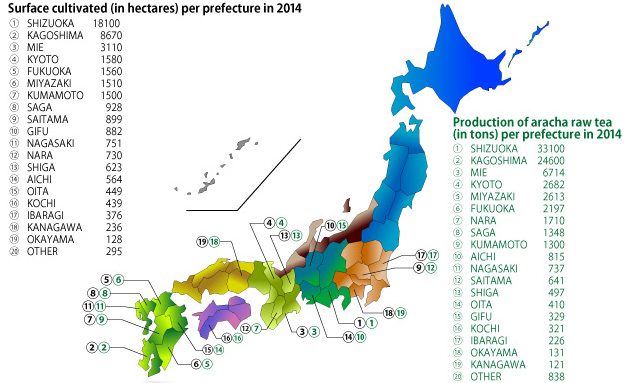
The majority of tea processed in Japan comes from the Shizouka and Kagoshima regions – they process loose teas as well as matcha. Uji is a town close to Kyoto that is renown for it’s matcha, because of its location next to Kyoto where it is used in traditional Japanese tea ceremonies. The differences between the matcha in these regions is all down to how they are processed which gives it their distinct taste profile. Uji green tea leaves are not roasted but are fired/steamed at a slower temperature


So what type of matcha is Thea?

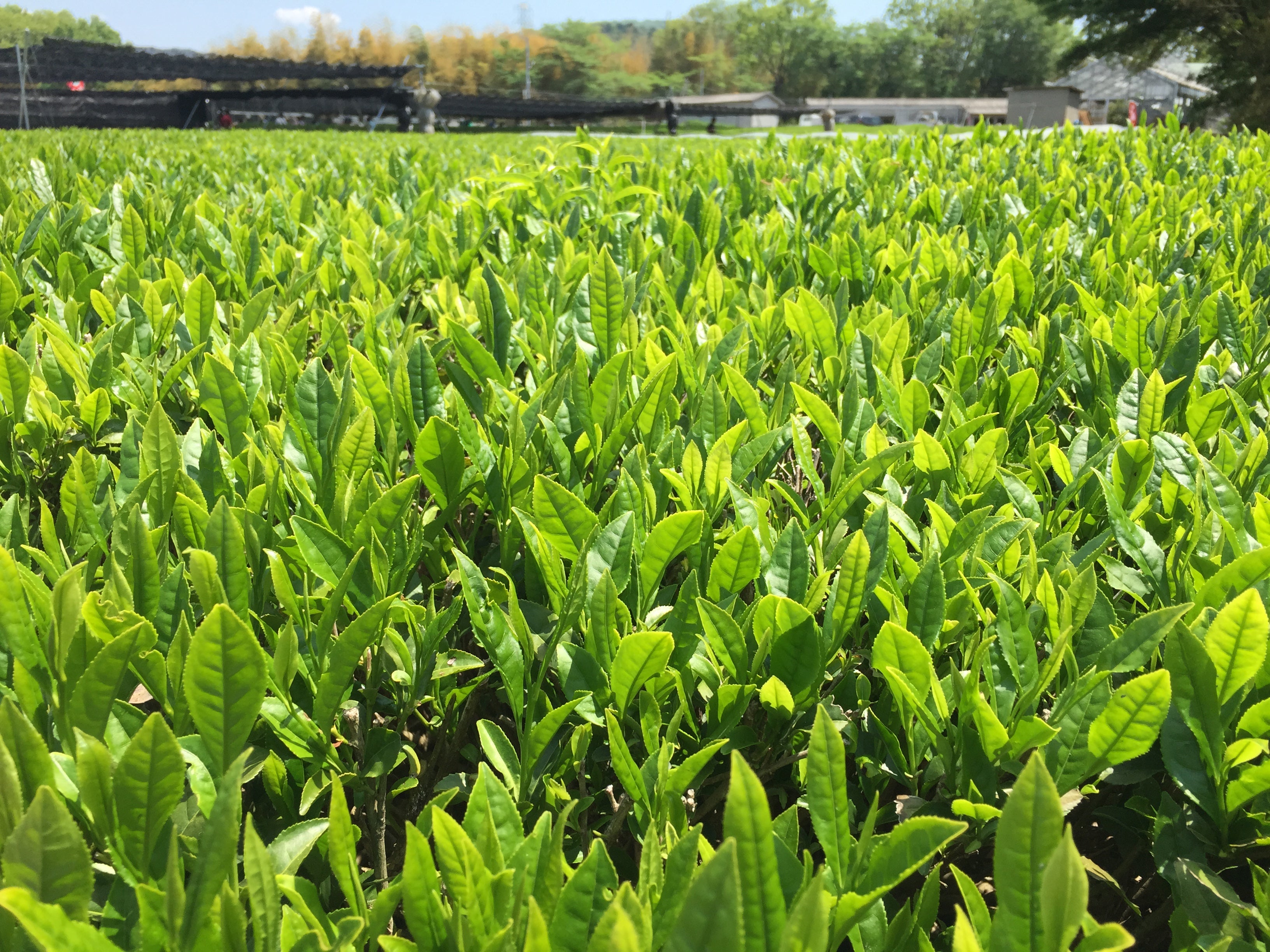
It's a quality premium organic blend of mostly first flush and second flush leaves, depending on the material harvest each year. As you can see in the image below, the first picking of leaves from the top is reserved for Ceremonial blend, followed by next leaves down for a premium blend. Our partner farm in Uji, Kyoto is a beautiful blend of first and second pickings. With a well balanced taste notes of umami and astringency, it’s suitable for drinking and baking

First flush starts in mid to late May where the top leaves are plucked first. These young leaves create a smooth and well rounded taste profile as well as yielding a vibrant green powder. This is best suited to drinking.

Second flush leaves are picked beginning of June or July, it's taste is more astringent but still smooth. It's best suited to drinking and baking. 

Third flush starts in August and the larger leaves have a earthy, somewhat bitter taste profile. It is yellow-green in colour and best suited to culinary uses.

matcha leaf grades

Best Sellers

Slide image
 
Premium Mie Matcha Pouch
Best Seller

Premium Mie Matcha Pouch

From $50.00 NZD
Slide image
 
Premium Organic Kyoto Matcha Pouch
Sale

Premium Organic Kyoto Matcha Pouch

From $50.00 NZD $90.00 NZD
Slide image
 
Superior Kyoto Matcha Pouch
Best Seller Sale

Superior Kyoto Matcha Pouch

From $70.00 NZD $120.00 NZD
Slide image
 
Superior Mie Matcha Pouch

Superior Mie Matcha Pouch

From $85.00 NZD

Read more

What is Matcha Green Tea?

What is Matcha Green Tea?

What is Matcha Green Tea? It's taking over your news feed, people are flaunting green drinks around town, and some even swear by its benefits—but what exactly is matcha green...

Matcha vs. Green Tea: What’s the Difference?

Matcha vs. Green Tea: What’s the Difference?

Matcha vs. Green Tea: What’s the Difference? Hi matcha lovers and green tea enthusiasts! If you’ve stumbled upon this article, you’re probably as passionate about tea as we are. Whether you’re...