
What Does “Uji cha" Really Mean?
If you’ve come across the term Uji cha, Uji tea, or Uji matcha, you’re not alone. Uji is a city in Japan, and Cha mean tea in Japanese. It’s one of the most searched phrases in premium Japanese tea, often linked to quality, tradition, and origin. But what is Uji matcha, and does it actually mean the tea comes from Uji?
Understanding the true definition of Uji Tea can help you make more informed decisions about quality, sourcing, and what you’re really paying for.
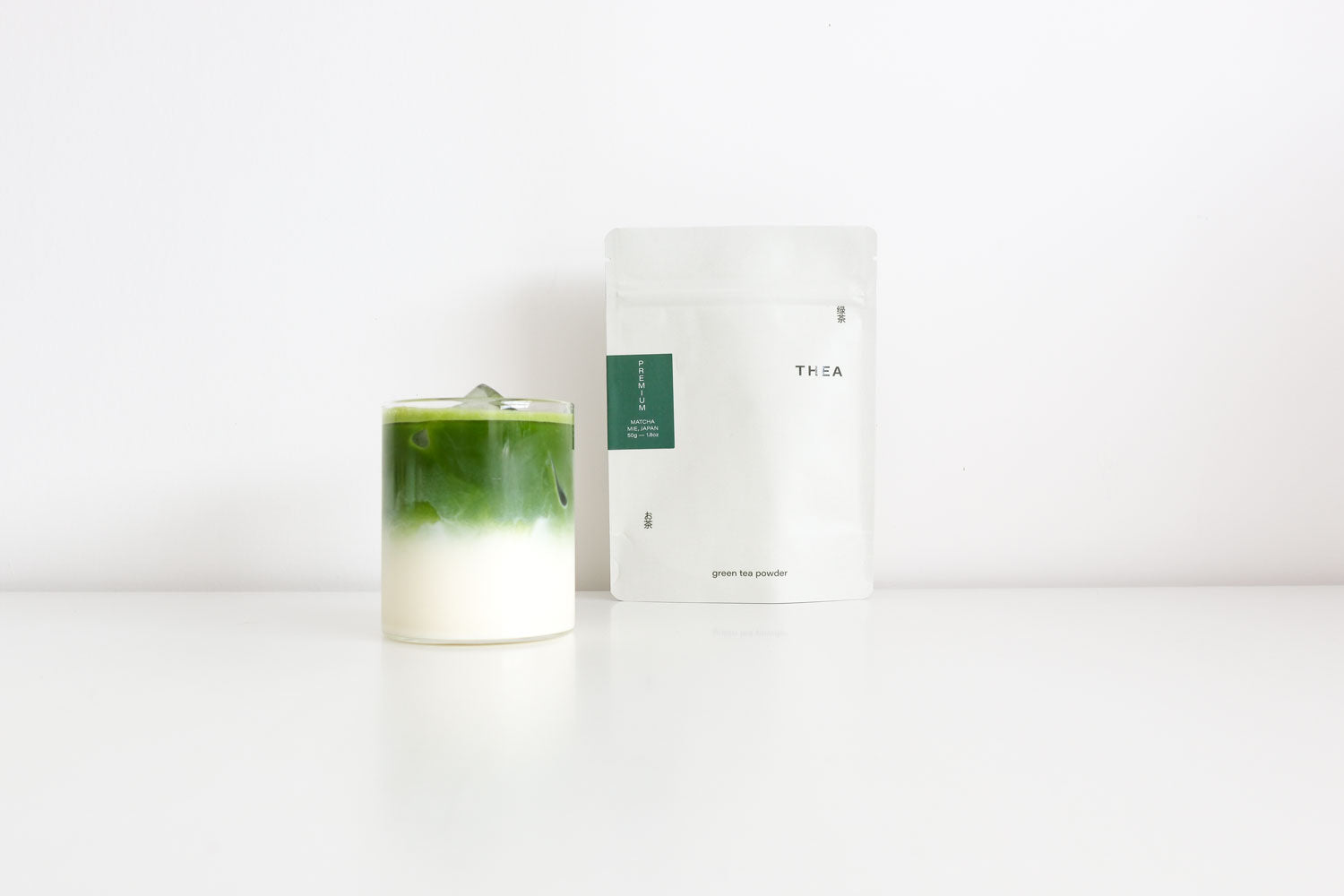
Uji cha/teas with Thea:
Superior Organic Uji Matcha
Superior Uji Matcha
Premium Organic Uji Matcha
Japanese Hojicha
Let’s break it down.
 What Is Uji Tea or Matcha?
“Uji Tea” refers to tea or matcha that meets a specific set of standards defined by the Kyoto Tea Garden Association in 2004.
For tea to be officially classified as Uji-cha, it must meet three key criteria:
1. Harvest Location
The tea leaves must be grown in one of four prefectures in Japan:
2. Processing Location
The final processing, refining, and finishing must take place within Kyoto Prefecture, handled by local producers.


Meeting fourth generation tea farmers based in Kyoto
3. Traditional Methods
The tea must be produced using techniques that originated in the Uji region. This includes practices such as shading the tea plants before harvest and following established cultivation and handling methods developed over generations.
While traditional stone grinding is often associated with Uji matcha, it is not the only method used today. Many producers now use modern techniques such as ball milling to achieve a consistent, fine particle size at scale.
As long as the cultivation methods, regional processing, and overall approach align with Uji’s established practices, the matcha can still be classified as Uji-cha. In this context, modern milling methods are an evolution of the craft rather than a departure from it, helping maintain quality and consistency while supporting wider production.
So Why Is Uji Tea or Matcha So Highly Regarded?
The reputation comes from centuries of tea cultivation centred around Uji, a region widely considered the birthplace of Japanese matcha culture.
This area helped refine shading techniques that enhance sweetness and umami, processing methods that improve texture and colour, and blending expertise developed over generations.
In many ways, “Uji” functions similarly to how we think about Champagne. It represents a protected tradition and standard of production rather than a single point on a map.
The Champagne wine region is in northeastern France, mainly by Marne, Aube, and Aisne. Smaller areas are in Haute-Marne and Seine-et-Marne. The region is defined by a legal viticultural boundary. The most famous cities are Reims and Épernay.
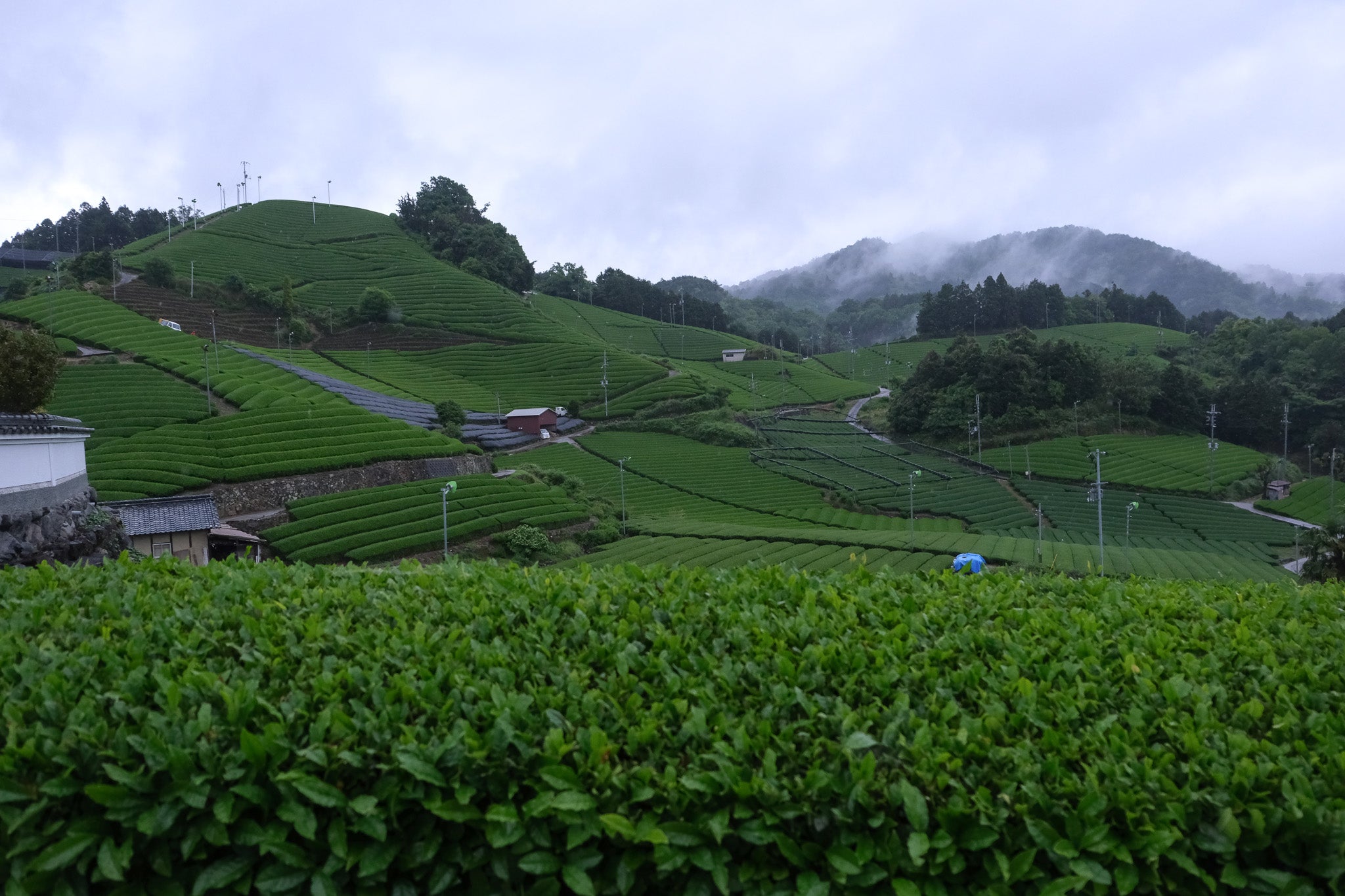
So Uji-cha can be made from leaves in prefectures like Kyoto and Mie, and cities like Uji, or towns like Wazuka, with differing nuances, climates, and cultivars. But they all must be produced in Kyoto and by a certain method. Tea fields Wazuka, Kyoto, Japan
Why “Produced in Uji” Can Be Misleading
Despite the name, very little tea is actually grown in Uji city itself today. The region has become highly developed, leaving limited space for large-scale farming.
Some estimates suggest that only around 0.04% of tea labeled as “Uji matcha” is cultivated within Uji city.
Instead, most of the tea leaves come from surrounding areas, particularly places like Wazuka, which are still part of Kyoto’s broader tea-growing ecosystem and produce exceptional quality leaves.
Why Multiple Regions Are Included
The inclusion of Kyoto, Nara, Shiga, and Mie reflects the historical tea-growing region along the Yodo River basin. This natural growing area crosses modern prefectural borders and has long supported tea cultivation.
The definition of Uji-cha acknowledges this shared heritage. While the name says “Uji,” it represents a regional tradition rather than just a single city.
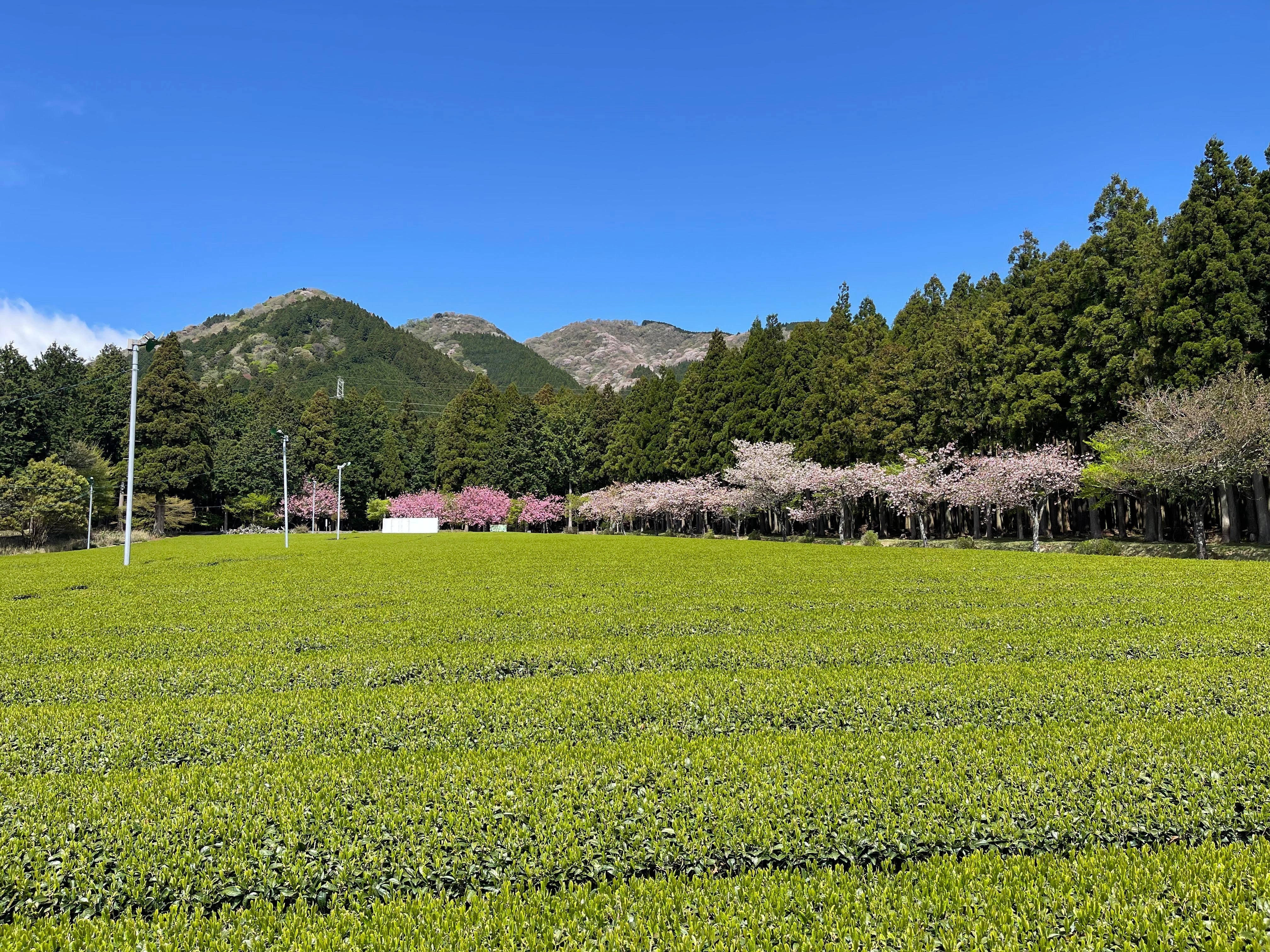
 Mie prefecture, Japan
A Quick Breakdown
| Feature | Requirement for Uji-cha |
|---|---|
| Grown In | Kyoto, Nara, Shiga, or Mie |
| Processed In | Kyoto Prefecture only |
| Method | Uji techniques |
What This Means for You
Seeing “Uji cha” on a label does not necessarily mean the tea was grown in Uji city.
What it does mean is that it follows a recognised regional standard, is processed in Kyoto, and aligns with traditional production methods.
Quality still comes down to the producer, cultivar, harvest, and blending expertise.
Final Thoughts
Uji cha is not just about geography. It reflects history, technique, and a legacy of craftsmanship that spans an entire region.
Understanding this helps you look beyond the label and focus on what truly matters, how the matcha is grown, crafted, and experienced in the cup.
Quick Questions on Uji Matcha
What is Uji cha?
Uji cha is tea or matcha that meets specific standards set by the Kyoto Tea Garden Association. It must be grown in approved regions, processed in Kyoto Prefecture, and made using traditional methods.
Is Uji cha grown in Uji city?
Not always. Very little tea is grown in Uji today. Most comes from nearby regions like Wazuka.
Why is Uji cha expensive?
Its reputation, traditional processing, and regional standards often make it more premium, though quality still depends on the producer.
Is Uji cha better?
Not necessarily. While it follows a recognised standard, quality depends on factors like harvest, cultivar, and how the matcha is produced. At the end of the day, it's best to try different matcha and find out if you like the flavour of it.
Remember, every year will yield a different harvest. Just like wine and coffee, things are dependant on nature, the farmer, shading techniques, cultivars and then how the matcha itself is steamed, dried, blended and made into it's fine powder. There are many steps that mean no matcha will ever be the same.